
English| EUR
Suggested for you
More currencies
Choose a language
Key West sits within the Florida Keys National Marine Sanctuary, a federally protected zone where snorkeling conditions are monitored and waters are patrolled. The question of safety depends on understanding the environment you're entering—the marine life that inhabits these reefs, the weather patterns that shape visibility and currents, and the infrastructure designed to keep recreational snorkelers out of harm's way.
Quick answer
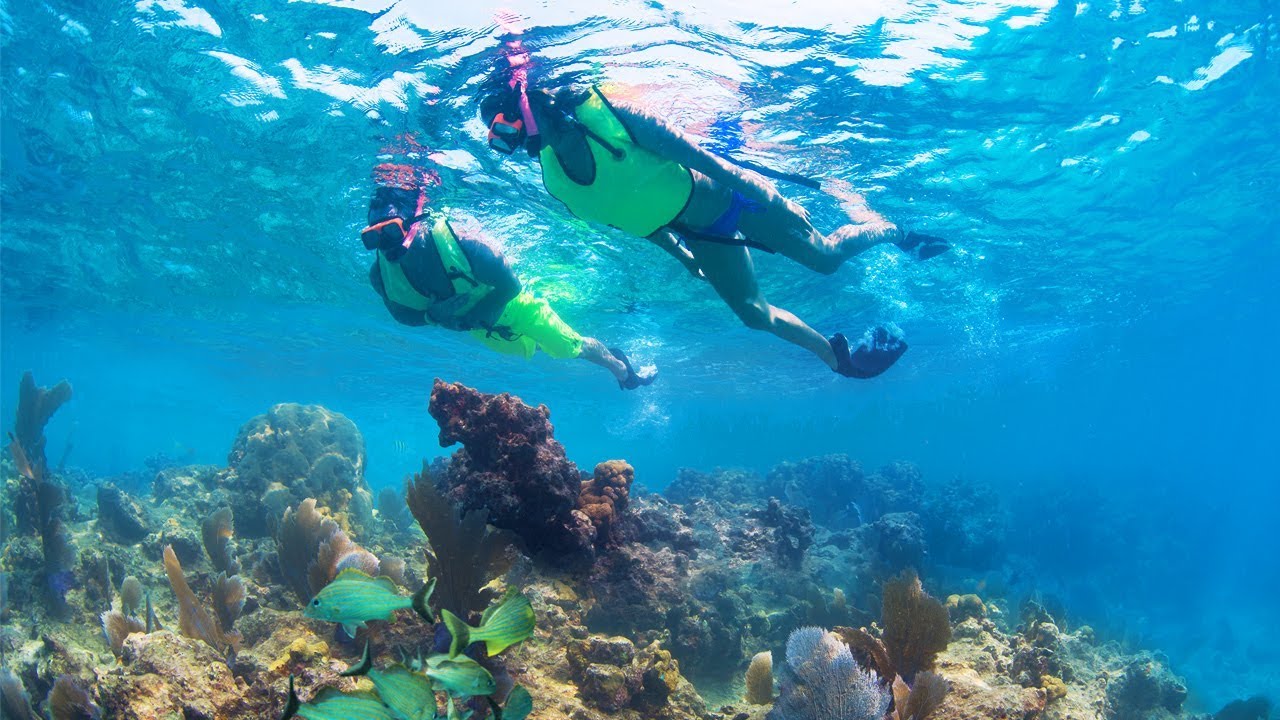
Yes, snorkeling in Key West is generally safe for participants with basic swimming ability. The Florida Keys National Marine Sanctuary enforces protective regulations, waters average 75-85°F year-round, and most reef sites lie in shallow protected zones with depths of 5-15 feet. Hazards exist—jellyfish during summer months, occasional strong currents near channels, and fire coral on deeper reefs—but serious incidents remain rare when snorkelers follow marked boundaries and weather advisories.
The Florida Keys National Marine Sanctuary designation carries weight beyond conservation rhetoric. Established in 1990, the sanctuary spans 2,900 square nautical miles and operates under NOAA enforcement, meaning patrol vessels monitor high-traffic snorkel zones, buoys mark safe approach channels, and weather stations broadcast real-time marine forecasts. Most commercial operators launch from the Historic Seaport district and run trips to shallow patch reefs where depths rarely exceed 12 feet—a buffer that limits both current strength and the need for advanced swimming skills. Marine life encounters follow predictable patterns. Nurse sharks rest under ledges during daylight hours and pose no threat to surface swimmers. Barracuda hover near cleaning stations but ignore snorkelers. The risk profile shifts slightly in summer when box jellyfish drift into the shallows during new moon phases, and sea lice—larval thimble jellyfish—irritate skin under swimsuit edges. Stingrays bury themselves in sand flats near shore, which makes the shuffle-step entry method non-negotiable. Fire coral grows on reef edges below 10 feet; contact produces a chemical sting that lasts hours, not days. Weather governs safety more than marine life. Key West's position at the confluence of the Gulf of Mexico and Atlantic creates variable conditions—morning glass can turn to two-foot chop by noon when southeast winds build. Winter cold fronts push through every 10-14 days from December through March, bringing north winds that reduce visibility and create surface turbulence even when air temperatures stay mild. Thunderstorm cells develop rapidly June through September, and operators scrub afternoon trips when lightning appears within ten miles. The Eco-Discovery Center at 35 Quay Road provides free access to marine forecast displays and NOAA weather radar, and staff answer specific questions about current conditions at the information desk Tuesday through Friday. Snorkeling safety in Key West reflects infrastructure as much as natural conditions. Mooring buoys protect reefs from anchor damage while giving snorkelers fixed reference points. Coast Guard Auxiliary volunteers conduct free vessel safety checks at city docks. The marine sanctuary's free diver-down flag program supplies surface markers to private snorkelers. These systems exist because the ecosystem supports them—when 500,000 annual visitors enter waters that sustain both recreation and a living reef, managed access replaces wilderness risk.
“The sanctuary's enforcement structure means snorkel zones are actively monitored, not merely designated on charts.”
The Florida Keys National Marine Sanctuary is located off the coast, making professional boat transit the safest way to reach protected reef locations. Most excursions depart from the Historic Seaport or various marinas along the island.
Follow US-1 South to Key West, continuing onto North Roosevelt Boulevard toward the Historic Seaport area.
Depart from Key West Historic Seaport or local marinas via certified snorkeling tour operators.
Walk from the downtown Key West area to the Historic Seaport docks.
Secure transit through a certified tour operator ensures you reach regulated reef zones with professional safety oversight. We recommend checking in at your departure dock 30 minutes prior to your scheduled vessel departure.
The Florida Keys National Marine Sanctuary Eco-Discovery Center provides educational resources to help visitors understand safety before snorkeling. The center operates on a set schedule throughout the week.
The Florida Keys National Marine Sanctuary operates the Eco-Discovery Center to provide safety and environmental resources for visitors. Access to this facility is provided at no cost.
Verdict: A typical adult pays 0 USD to access the information center, with no fees applicable regardless of age or residency.
Everything you need to know about is it safe to snorkel in key west
Yes, snorkeling in the region is generally considered safe when following local guidelines and choosing reputable tours. Visitors should always monitor weather updates and water conditions to ensure it is safe to snorkel in key west throughout their visit.
While sharks and jellyfish exist in the ecosystem, unprovoked encounters are rare when you maintain a respectful distance. Most guided excursions prioritize safety to ensure that it is safe to snorkel in key west by providing professional supervision.
To experience the calmest water conditions, the best arrival window is 09:00–11:00. This early start helps you avoid peak midday sun and potential afternoon winds that impact whether it is safe to snorkel in key west.
Children can safely enjoy the water when accompanied by adults and wearing proper flotation devices. Always verify that tour operators provide appropriate equipment and life vests for younger swimmers.
Swimming alone is discouraged due to changing currents and boat traffic in the area. Participating in a guided tour is the recommended way to enjoy the underwater environment with professional oversight.
Standard safety gear includes a well-fitting mask, snorkel, fins, and a buoyancy compensator or life vest. These items help maintain visibility and support, which are critical for water safety.
The Eco-Discovery Center provides resources on coral reef protection and visitor safety. You can visit the center at 35 Quay Road to learn about local marine life and best practices.
Catamaran Snorkeling Tours
Read more GuideCan You Snorkel in Key West in December?
Read more Tickets & toursKey Largo Snorkeling Tours
Read more Tickets & toursPrivate Snorkeling Tours
Read more Tickets & toursSnorkel and Dolphin Tours
Read more Tickets & toursReef Snorkel Morning Tours
Read more